How the machinery of the modern web actually works
Technology
Plain-language engineering explainers covering web performance, networking, data storage and the standards that hold the internet together. Every article is written by a practitioner and rebuilt from primary specifications rather than summarised from other blogs.
Topic clusters
Web Performance
Loading behaviour, rendering, Core Web Vitals and the measurement discipline behind them.
3 published
Networking
DNS, TLS, HTTP versions, CDNs and how requests actually travel.
9 published
Data & Storage
Databases, indexes, caching layers and consistency trade-offs.
A practitioner's guide to Core Web Vitals: what Largest Contentful Paint, Interaction to Next Paint and Cumulative Layout Shift measure, how field data differs from lab data, and how to diagnose each metric.
A complete walkthrough of DNS resolution: the recursive resolver, root, TLD and authoritative servers, caching layers, TTL behaviour, and why DNS is so often the hidden cause of slow first loads.
A step-by-step explanation of the TLS 1.3 handshake: key exchange, certificate verification, cipher suites, session resumption and why the number of round trips decides how fast a secure connection feels.
How QUIC replaces TCP with a UDP-based, encrypted, multiplexed transport, why it fixes head-of-line blocking, and what that means for real-world page load speed.
How content delivery networks route users to nearby edge servers, decide what to cache, invalidate stale content, and shave hundreds of milliseconds off page load.
How browsers decide what to store, when to revalidate, and when to refetch entirely, and how HTTP caching headers control every one of those decisions.
Why passwords are hashed rather than encrypted, how salting stops precomputed attacks, and why modern algorithms like Argon2 are deliberately slow and memory-hungry.
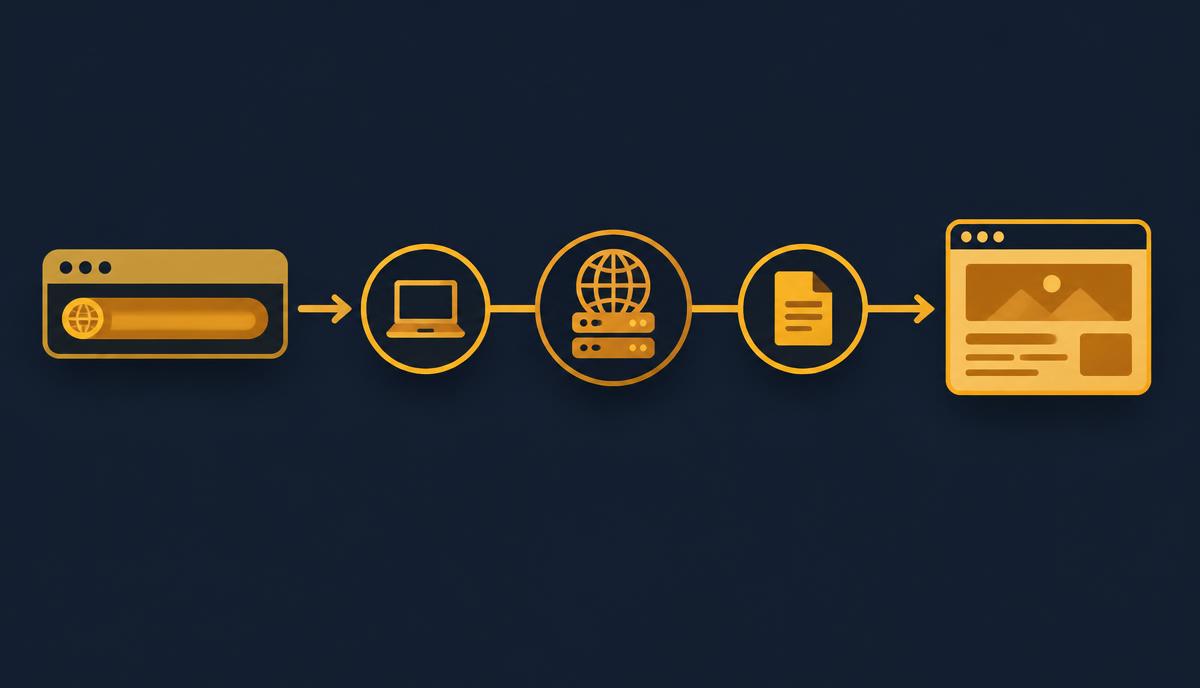
A complete walk-through of the pipeline behind a single web request: DNS resolution, TCP and TLS setup, the HTTP exchange, and browser parsing and rendering, with the latency each stage typically adds.
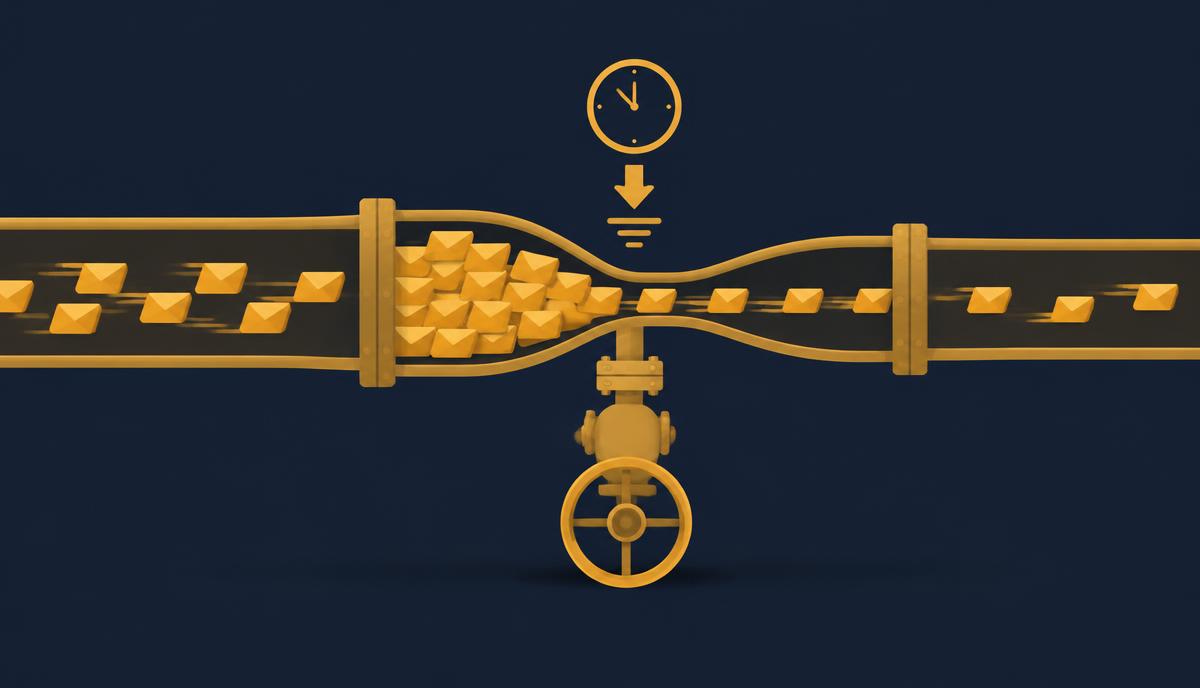
An explanation of TCP congestion control: slow start, additive-increase multiplicative-decrease, fast retransmit and modern algorithms such as CUBIC and BBR, and why they shape the throughput of every internet connection.
How load balancers work at the network and application layers: distribution algorithms, health checks, session persistence and the trade-offs between Layer 4 and Layer 7 balancing in real production systems.
A comparison of JPEG, PNG, WebP and AVIF covering compression approach, transparency and animation support, and how format choice, responsive sizing and lazy loading together determine a page's real-world weight.
How public key infrastructure links cryptographic keys to real-world identity through certificates, certificate authorities and trust chains, and how revocation, transparency logs and automation keep the system trustworthy at internet scale.