Study technique, memory and skill acquisition grounded in cognitive research. These articles explain the mechanism behind each method so you can adapt it rather than follow it blindly.
Topic clusters
Memory & Retention
Spacing, retrieval practice and forgetting curves.
3 published
Skill Acquisition
Deliberate practice, feedback loops and plateau management.
How spaced repetition works, why retrieval strengthens memory more than review, how scheduling algorithms choose intervals, and where the technique stops being the right tool.
What deliberate practice is, how it differs from ordinary repetition, why feedback loops and difficulty targeting matter, and how to design practice sessions that keep improving after progress stalls.
Why self-testing produces stronger, longer-lasting memory than rereading or highlighting, what the research actually shows, and how to build retrieval into any study routine.
Why working memory's tight capacity constrains how much new information you can learn at once, what cognitive load theory says about instructional design, and practical ways to reduce unnecessary load.
Why mixing related problem types during practice produces better long-term learning than mastering one type at a time, despite feeling slower and more error-prone in the moment.
A practical process for judging whether a claim, article or study deserves your trust, based on provenance, evidence and how the claim survives outside scrutiny.
A comparison of Cornell notes, outlining, mapping, the sentence method and Zettelkasten-style linked notes, covering what cognitive demand each imposes and which tasks each suits best.
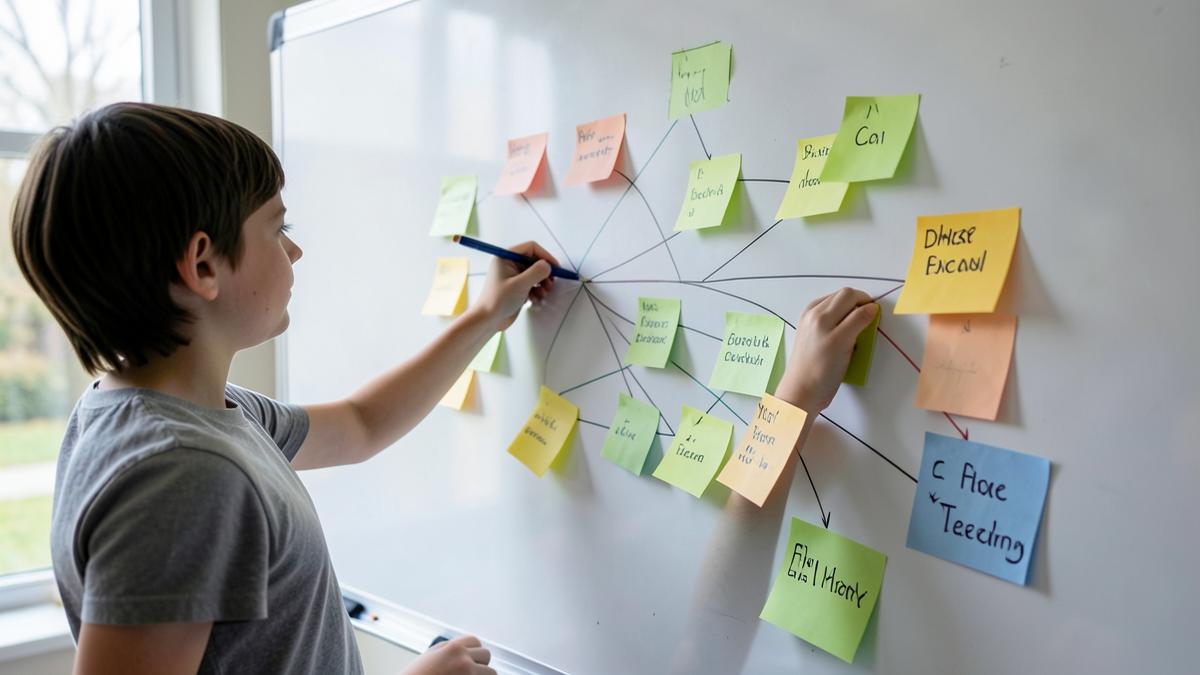
How concept maps represent relationships between ideas, why they differ from mind maps, what the evidence says about their effect on learning, and how to build one that reflects genuine understanding rather than decoration.
How different types and timing of feedback affect skill learning, why immediate feedback can sometimes hinder long-term retention, and what deliberate-practice research says about giving and using feedback well.