Evidence-first health literacy, never medical advice
Health
How the body works and how health evidence is produced, appraised and misreported. Inquro health articles are informational only and are reviewed by the science desk. They are not a substitute for professional medical care.
Topic clusters
Sleep & Circadian Rhythm
Sleep architecture, light exposure and the biology of timing.
2 published
Nutrition Evidence
How dietary studies are designed and why results conflict.
4 published
Reading Health Research
Trial types, effect sizes and interpreting risk numbers.
An evidence-based explanation of sleep architecture: the four stages, how cycles change through the night, the interaction of sleep pressure and circadian timing, and what the research does and does not show.
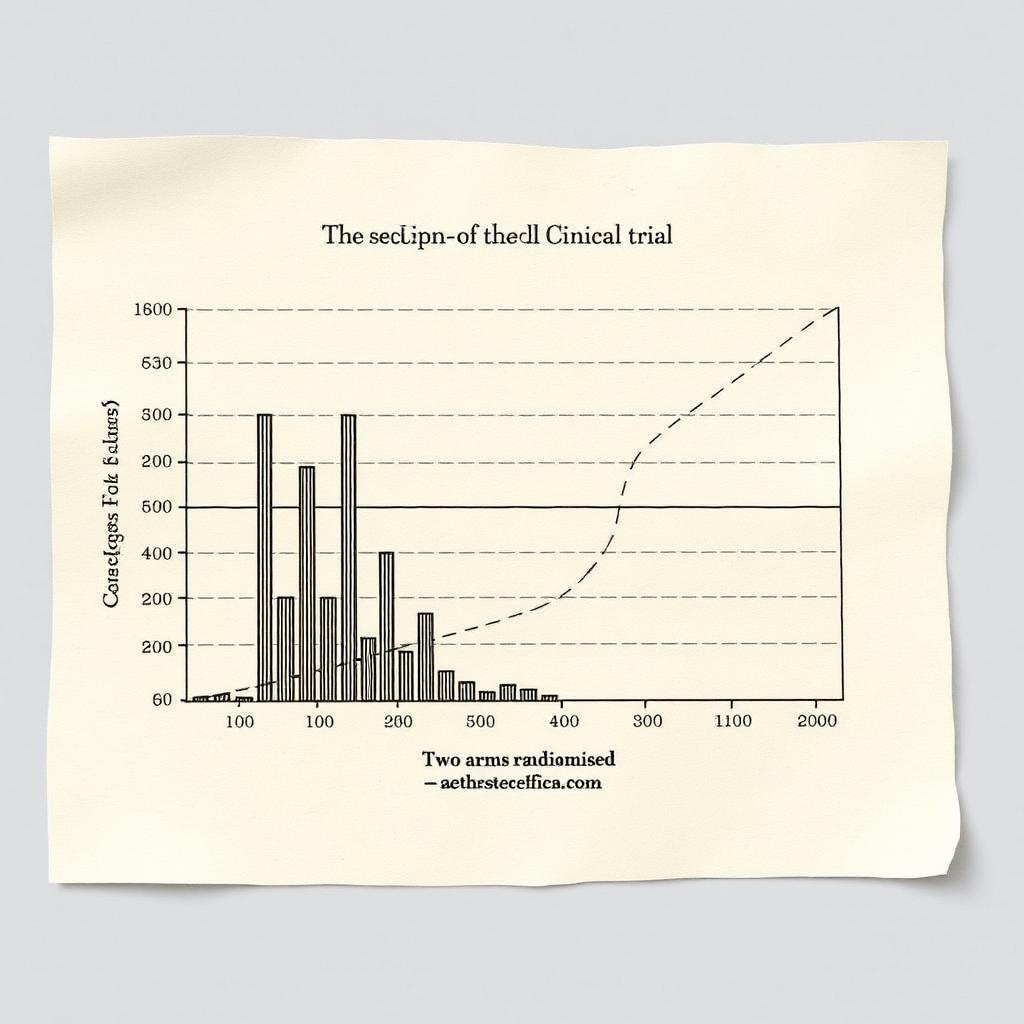
A practical guide to appraising clinical research: randomisation, blinding, endpoints, relative versus absolute risk, confidence intervals, and the reporting patterns that make weak findings look strong.
How retinal light signals synchronise the circadian clock, why timing matters more than intensity, and what the evidence says about morning light and evening screens.
Why 'doubles your risk' can mean almost nothing in practice, how absolute risk and number needed to treat change the picture, and how to spot the gap in reporting.
Why dietary research is unusually hard to do well, from self-reported food diaries to confounded observational cohorts, and how to weigh conflicting headlines.
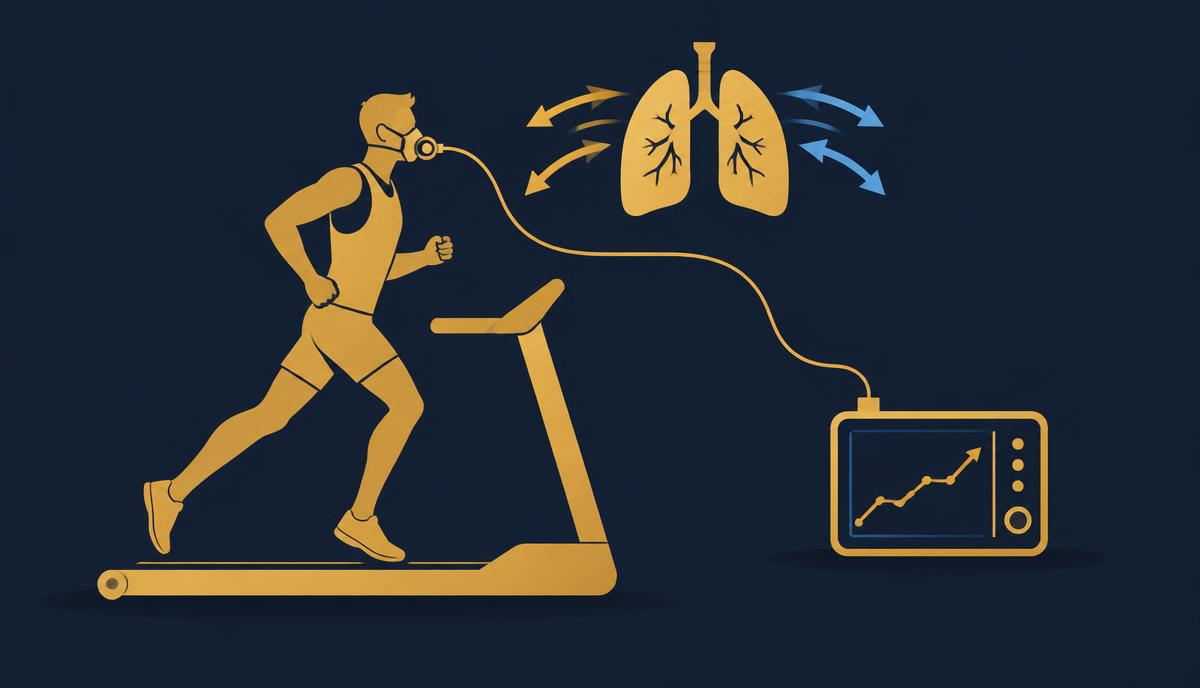
What VO2 max actually quantifies, how it is measured in a lab versus estimated by wearables, and what the evidence says about its link to health outcomes.
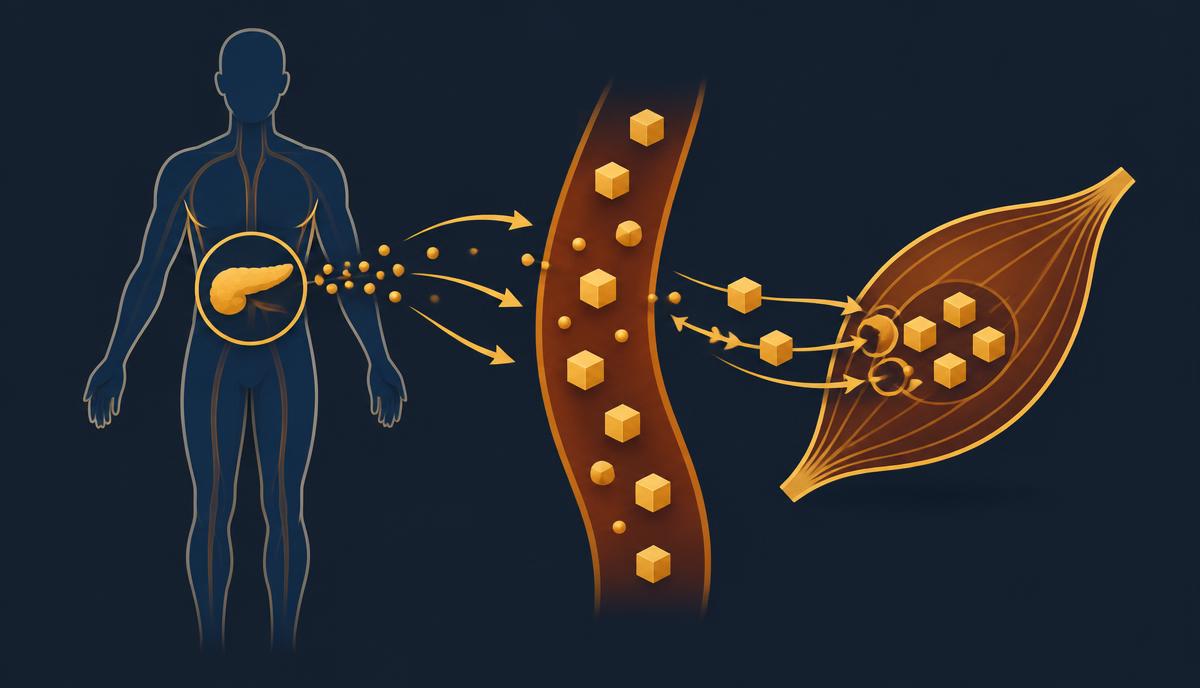
A clear explanation of how insulin and glucagon keep blood glucose within a narrow range, what happens after meals and during fasting, how continuous glucose monitors read this system, and how it breaks down in diabetes.
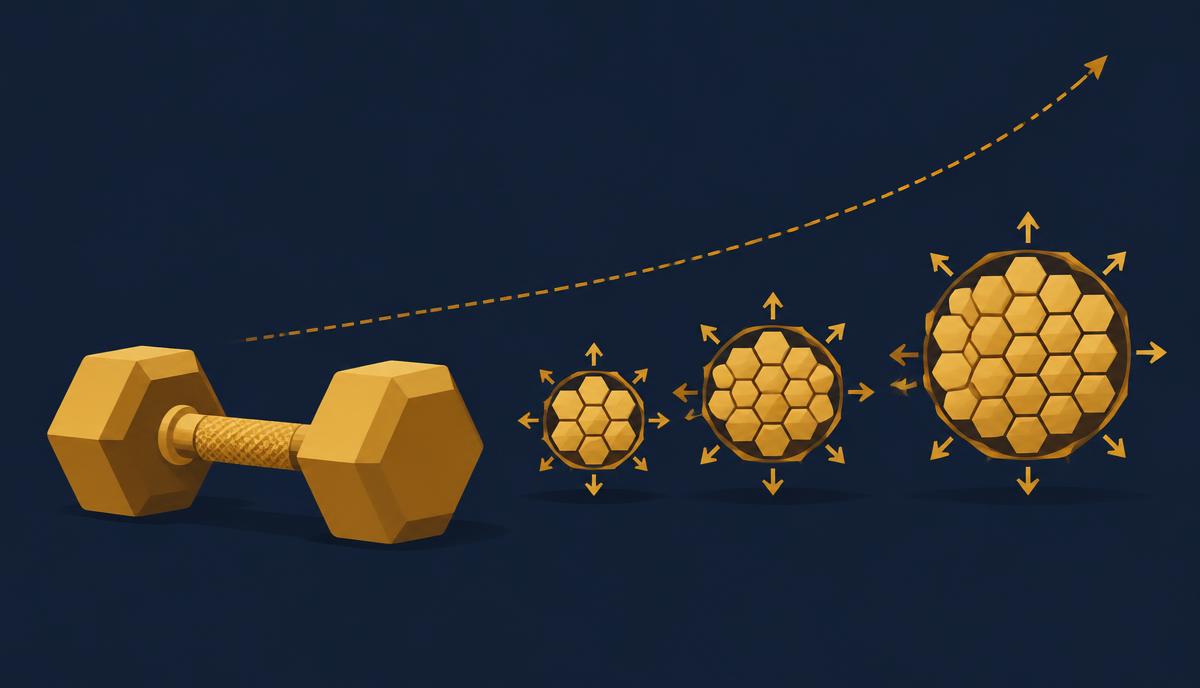
How resistance training produces strength and size gains, why early progress is mostly neural, what drives muscle protein synthesis, and what the research says about training variables like volume, load and frequency.
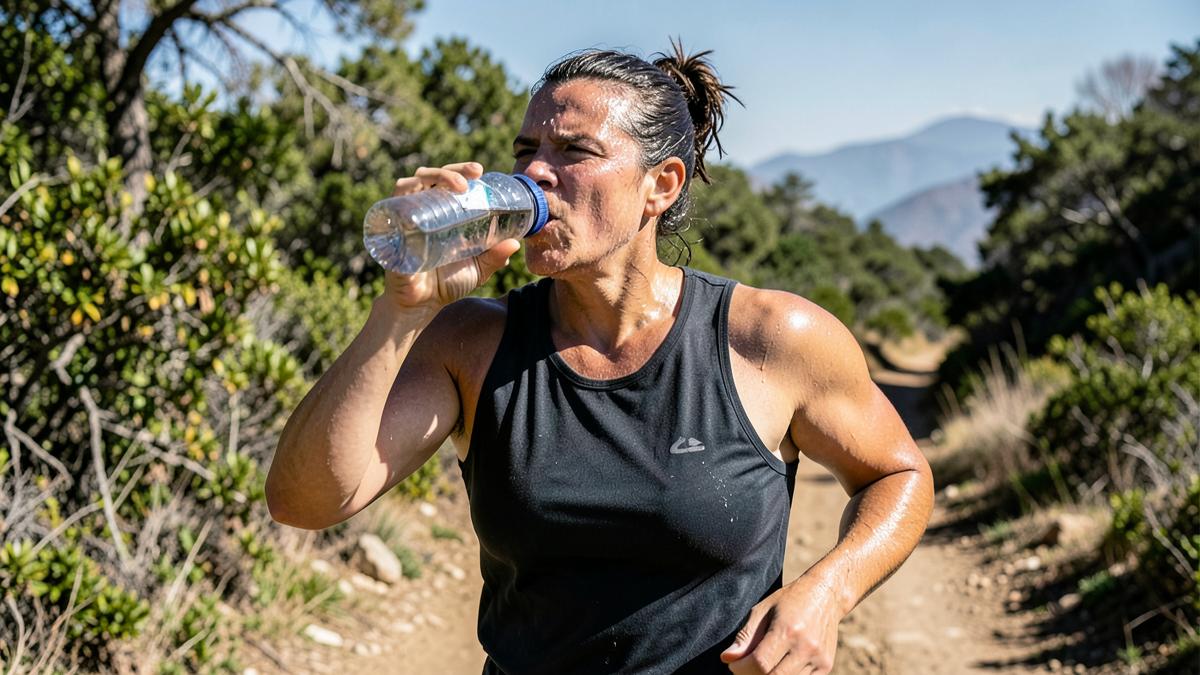
An evidence-based look at how body water loss affects physical and cognitive performance, how sweat rate and electrolyte loss are measured, and why the widely repeated hydration numbers are less precise than they sound.