Measurement, evidence and what the data can support
Science
Physical and environmental science written for curious non-specialists. Each claim is traced to a named dataset or peer-reviewed source, and the limits of the evidence are stated as clearly as the findings.
Topic clusters
Climate & Environment
Energy balance, measurement records and long-run atmospheric data.
4 published
Measurement Science
Units, uncertainty, calibration and how instruments are trusted.
5 published
Scientific Literacy
Reading studies, understanding significance and spotting overreach.
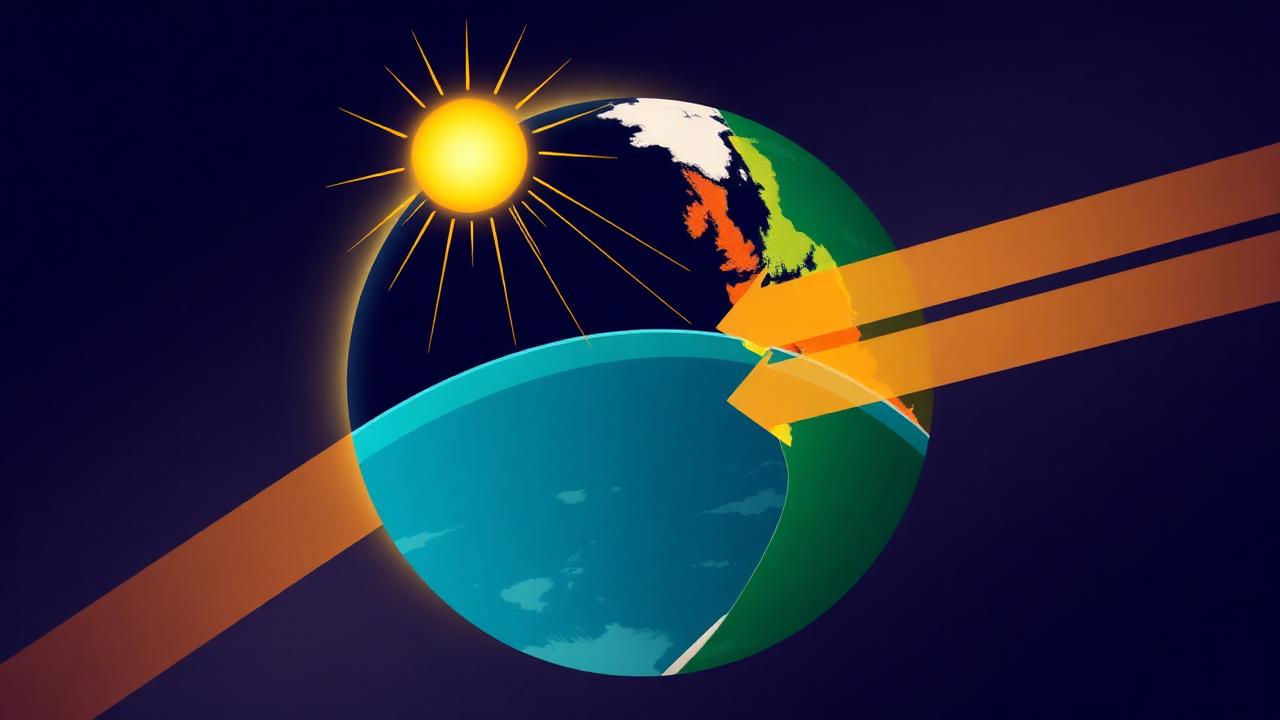
An explanation of Earth's energy budget: how satellites measure incoming and outgoing radiation, how ocean floats confirm the imbalance, what radiative forcing means, and where the uncertainty lies.
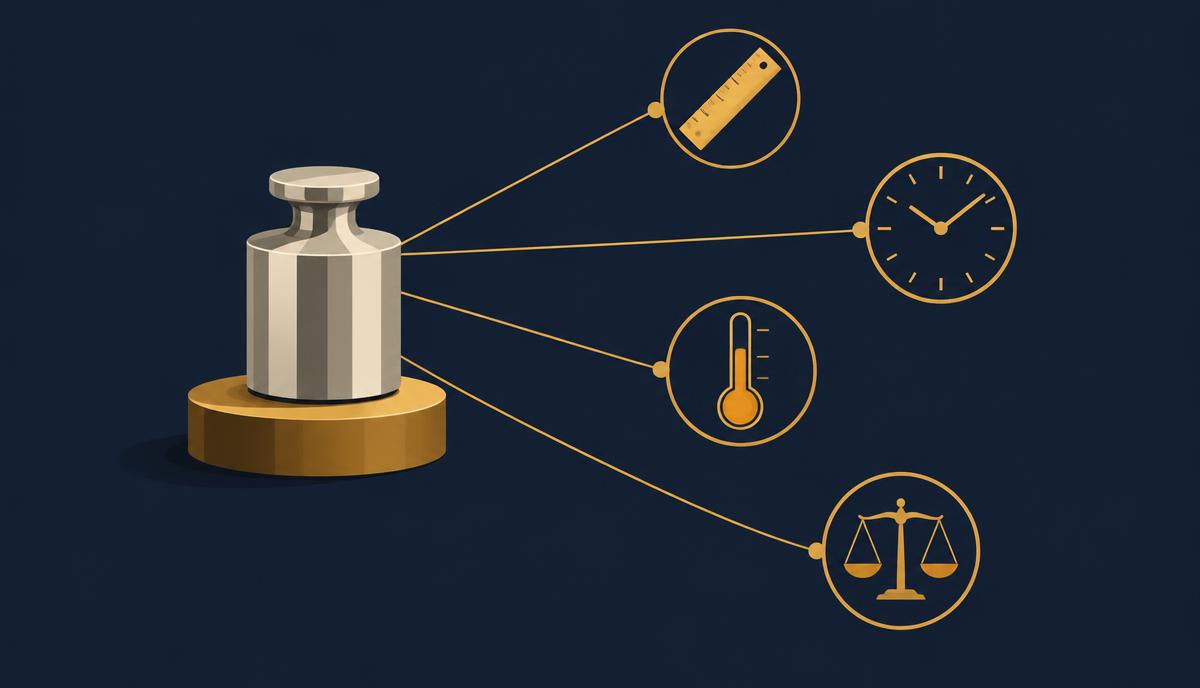
Why every measurement carries an uncertainty, how random and systematic components differ, what a confidence interval does and does not claim, and how calibration chains make instruments trustworthy.
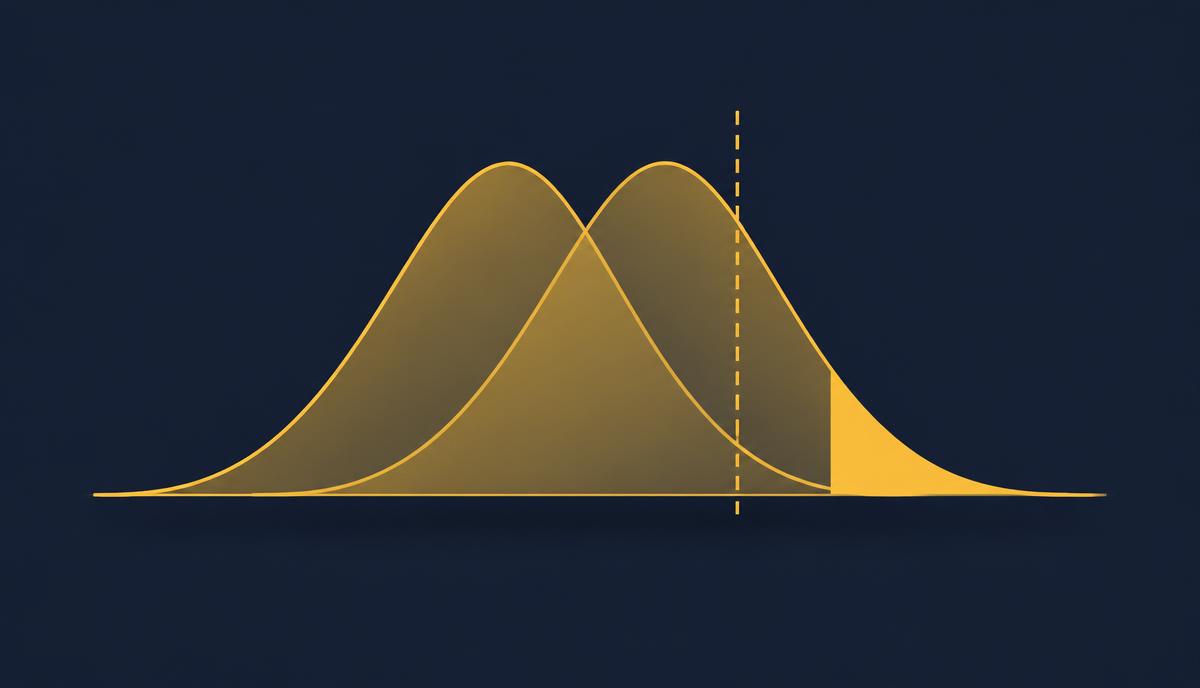
What a p-value actually measures, why 'statistically significant' does not mean 'important', and the common misreadings that distort science reporting.
What happens between submitting a scientific paper and its publication, what reviewers actually check, and the documented weaknesses of the peer review system.
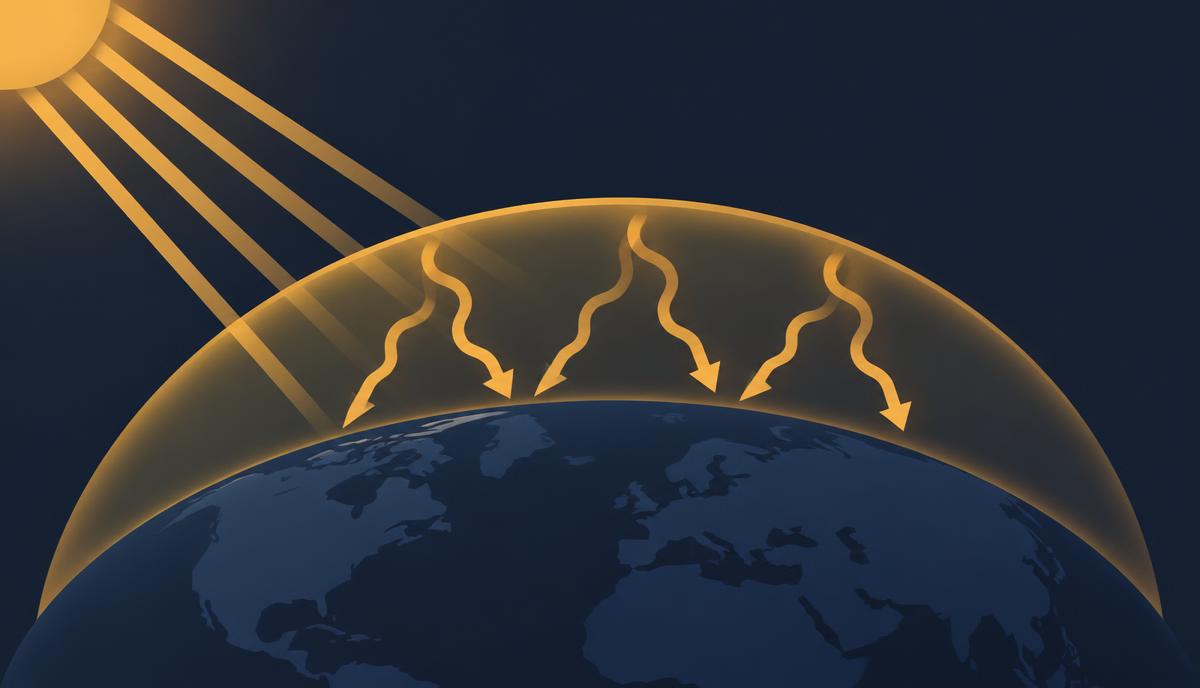
The physical mechanism behind the greenhouse effect: why certain gases trap infrared radiation, how it keeps Earth habitable, and why more of those gases means more warming.
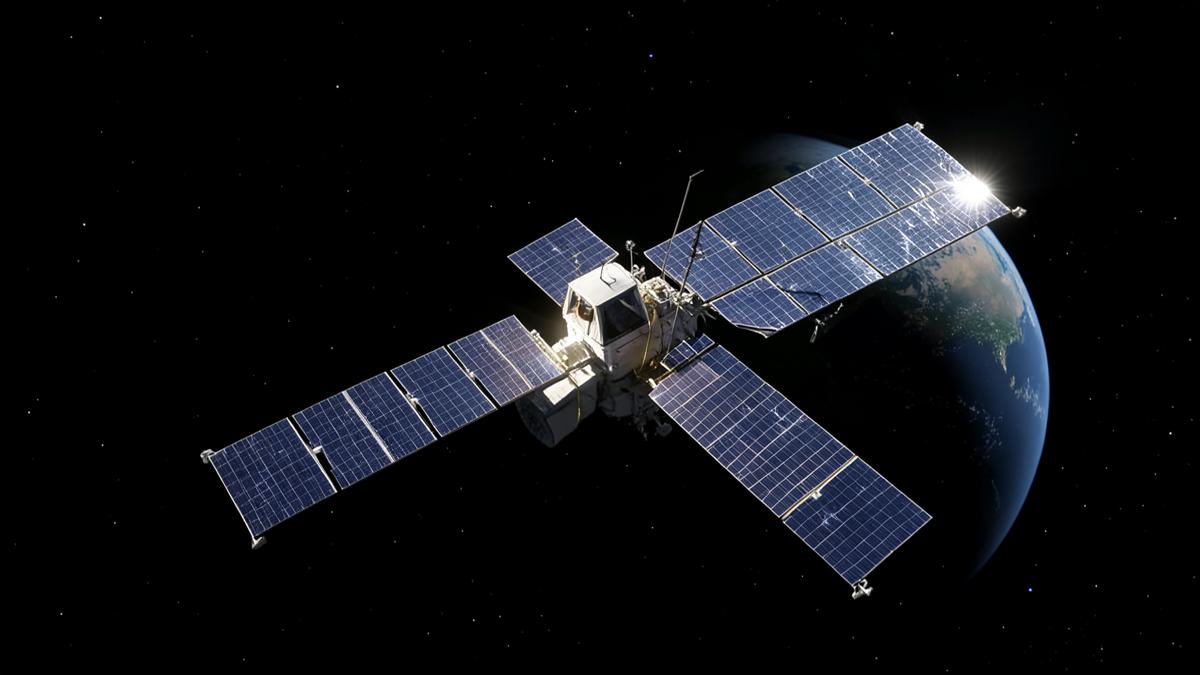
How a receiver turns signals from orbiting atomic clocks into a location, why four satellites are needed rather than three, and how relativistic time corrections keep the system accurate.
The oceans store and carry heat around the planet far more slowly and massively than the atmosphere. How wind-driven and density-driven currents move that heat, and why a slowdown of Atlantic circulation concerns climate scientists.
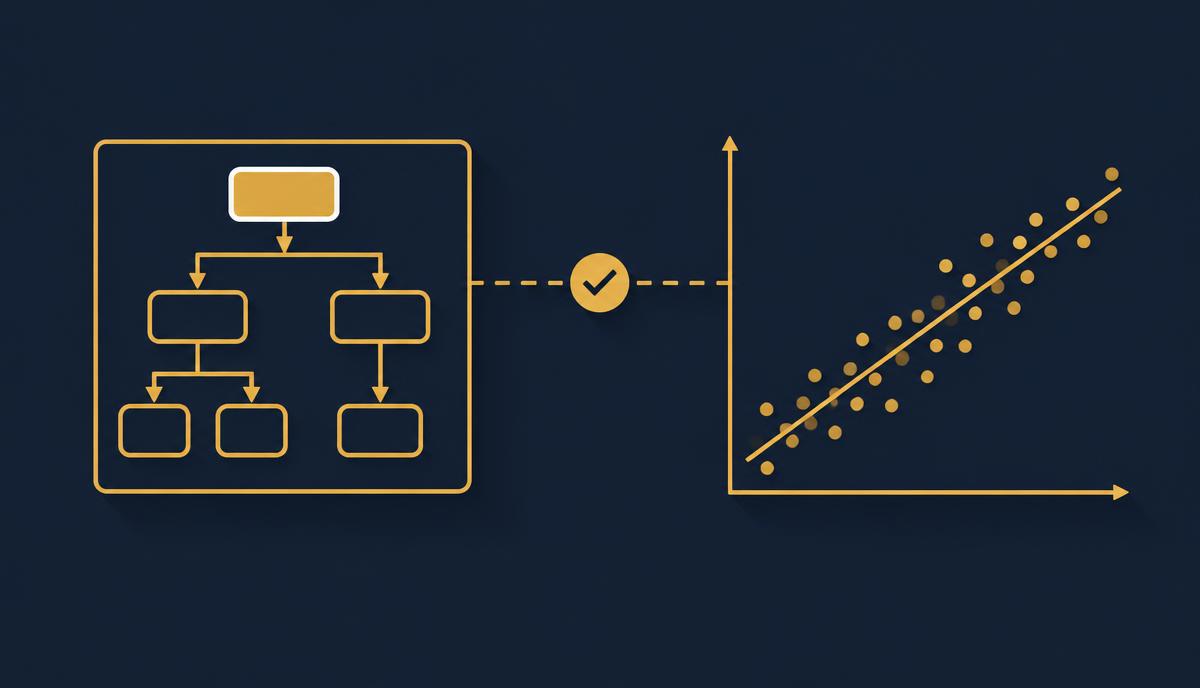
A model that fits the data it was built on proves little. How scientists test predictive skill against independent data, quantify uncertainty, and decide when a model is fit for a given purpose.
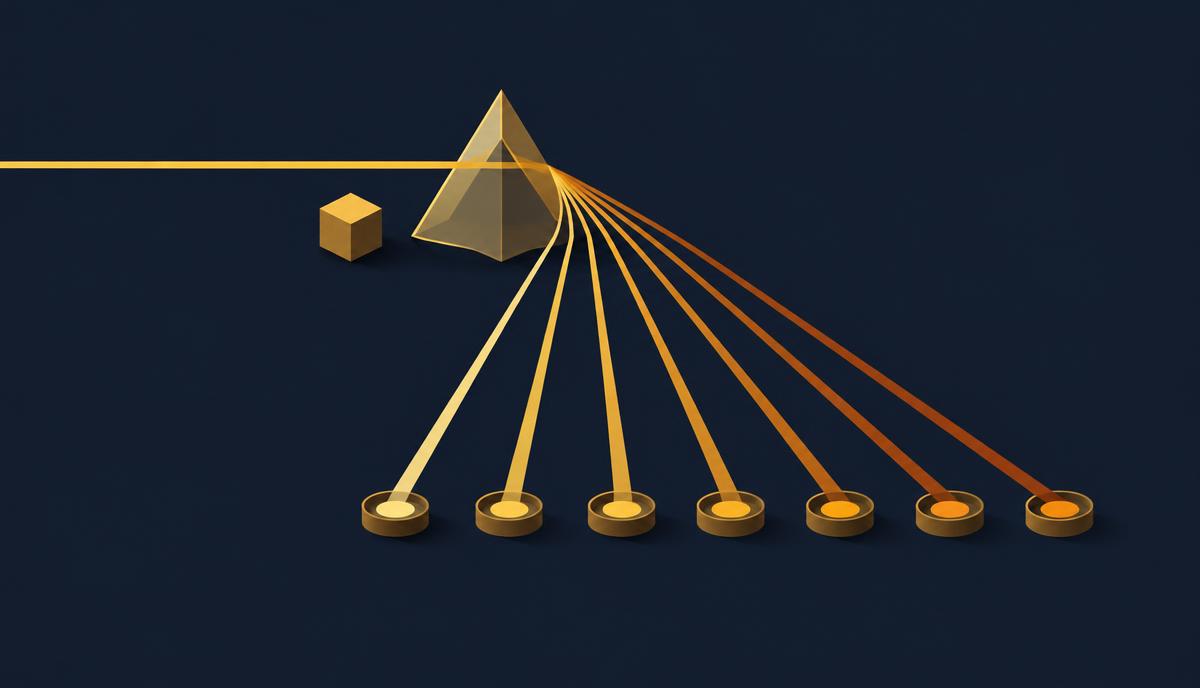
Every element and molecule absorbs and emits light at its own fingerprint of wavelengths. How spectroscopy reads that fingerprint to identify substances from a drop of blood to the atmosphere of a distant planet.
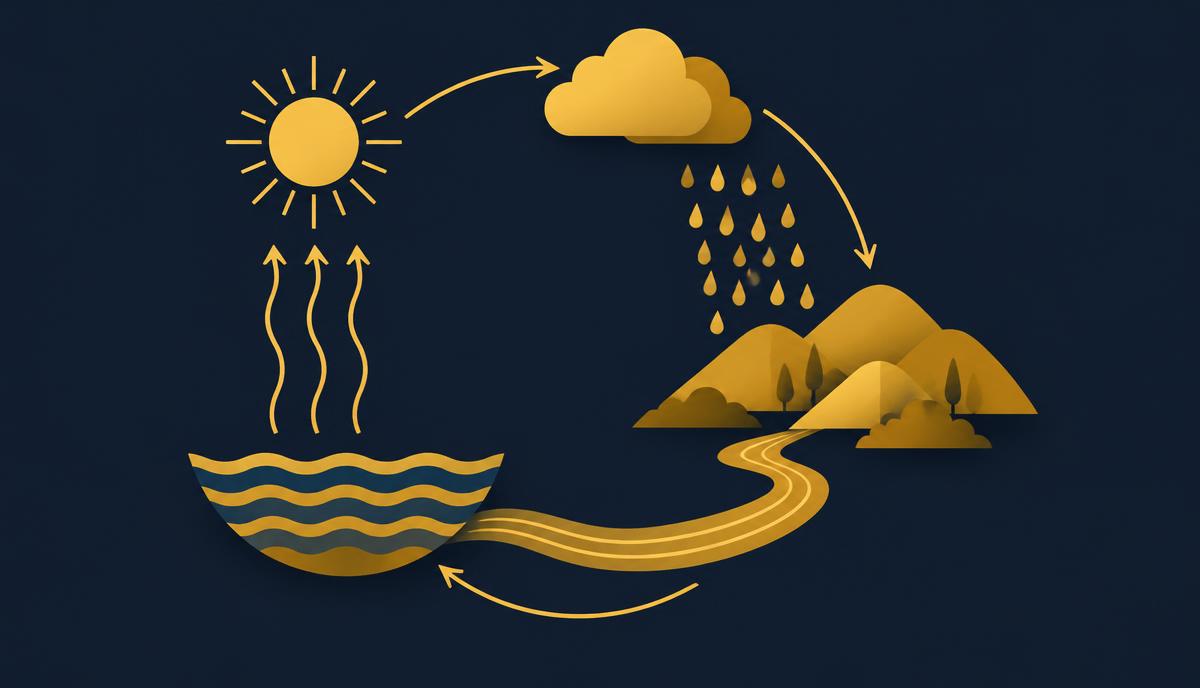
Evaporation and condensation do not just move water, they move enormous quantities of latent heat. How that hidden energy transport shapes weather, storms and Earth's overall energy balance.